-logo.png)
Webinars
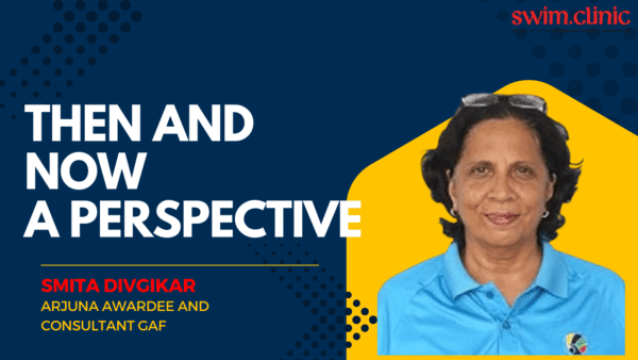
Then and Now a perspective
Smita Divgikar (Arjuna awardee) on swimming for children: advocates early swim exposure for holistic development—confidence, discipline, social skills. Covers proper training, pool types, swimwear, common parental concerns, and swimming's physical and mental health benefits as a vital life skill.
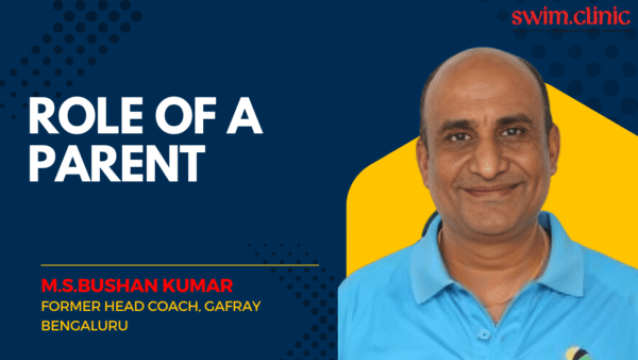
The Role of a Parent
n the webinar, Coach Bushan, acknowledges parents for their commitment to their children's swimming journey. Parents are highlighted as crucial decision-makers in a swimmer's career, responsible for ensuring their kids attend all practice sessions and progress in the program without imposing excessive pressure.
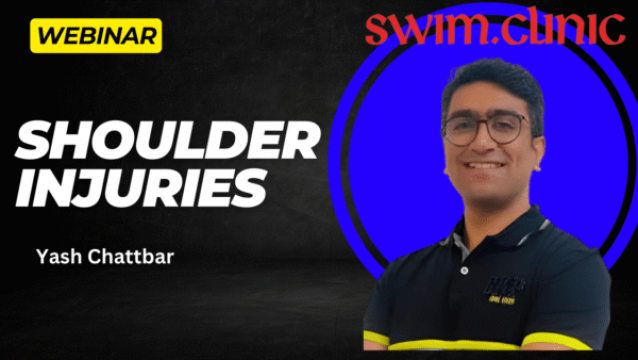
Shoulder Injuries
Yash Chattbar on swimmers' shoulder injuries: explains shoulder biomechanics, rotator cuff and swimmer's shoulder (90% cases), and causes like training volume, unilateral breathing, and technique. Covers impingement, muscle roles, assessment, tailored rehab, sleep, cooldowns, and reassessment.
Paris 2024 – The Australian Challenge
Coach Michael Bohl outlines Australia’s Paris prospects: a strong squad with top-3 athletes and medal-winning relays; Emma McKeon, Brendan Smith, Kaylee McKeown highlighted. Tough qualifying standards boost quality. Emphasis on technique, balancing veterans and rookies, and using setbacks as motivation.
Paris 2024 – The American Challenge
John and Glenn discuss Paris Olympic prospects, U.S. strengths, global rivals, and tech for swim analysis. Key takeaways: women’s depth, race unpredictability, importance of underwaters/starts/turns, long-term technique over early volume, periodized training, athlete recovery, and a swim-analysis app to speed coach feedback.

Nutrition and Recovery
Ananya Somani highlights intentional nutrition for athlete recovery: watch for fatigue and slowed gains; prioritize post-training meals with carbs for refueling, protein for repair, fluids within 60 minutes, and colorful, nutrient-rich foods for immunity. Include antioxidants, omega-3s, turmeric, ginger.